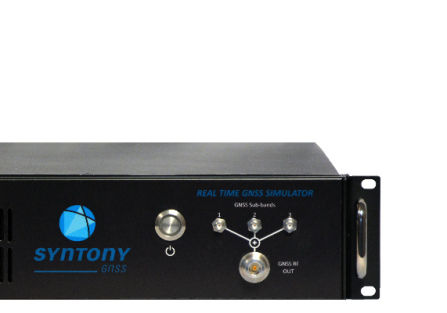
Highly versatile software solution for GNSS signal simulation and reception
The fast pace of the Aerospace industry requires compatible solutions to go further in the treatment of GNSS signals. Software-defined radio solutions provide modularity, upgradability for future applications as well as cost-effectiveness.
Whether you need GNSS simulator, recorder, or embedded receiver answering the most demanding standards of the industry, we’ll study what solution better fits your needs.
Acknowledged expertise
Major actors of Space & Defense industry can acknowledge the high level of expertise Syntony demonstrates in GNSS signal treatment and reception.
Modular PNT technology
From the very first step, solutions are thought to fulfil your needs. Many options are made available from various GNSS signals to anti-jamming, anti-spoofing, multipath, trajectories… many scenarios can be tested.
Case Studies
- Space
- Test receivers
- Flight Test
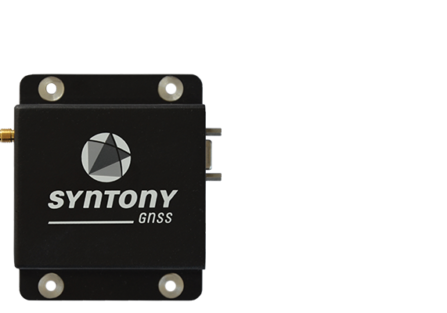
Space is a complex environment and the trajectories are so complicated that few GNSS receivers comply with highly demanding requirements. Softspot has been chosen to equip space/rocket launcher and track their trajectories to get mass data on the path followed.
- Software based GNSS receiver is a bespoke solution compatible with high standards
- Complex trajectories and other options are offered depending on customer needs.

Aircraft or satellite manufacturers need to test the integration of GNSS receivers and their behaviour in real conditions. With a high precision in simulating real GNSS signals, Constellator enables manufacturer to proceed to quality tests and validate the conformity of GNSS receiver. In the case of mass production, several GNSS simulators are provided so tests can be run on several equipment simultaneously.
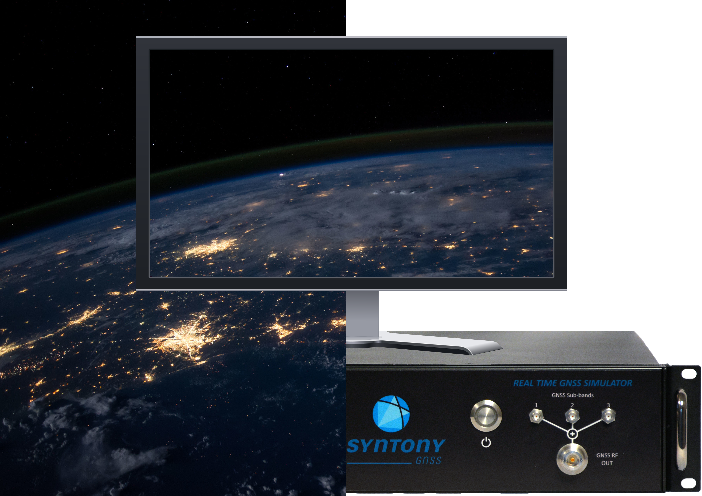
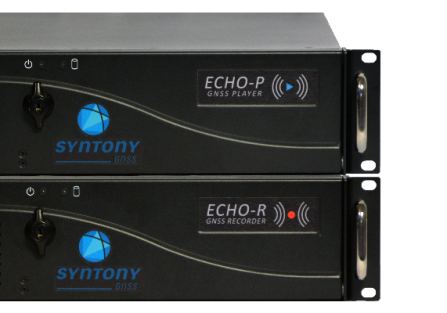
Running a flight test is very expensive whereas a recorder and player, such as Echo R&P, can replay a sample of “real” GNSS signal indefinitely. Therefore, on the basis of a simple flight test recording, many equipment can be tested ensuring the conditions are similar and highlighting discrepancies on the tested device performance.

For further information
Contact usOur products
GNSS receiver for IoT
GPS Coverage Extension
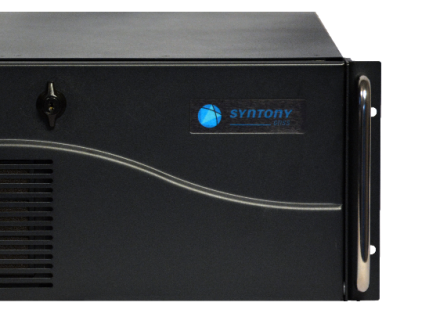
GNSS Receiver
GNSS Recorder and Player
GNSS Simulator